
BluOS in hifi and multi-room audio
BluOS is a particularly compelling route into whole-home music because it bridges serious hi-fi and everyday convenience.
BluOS is software that brings together multiple products from different vendors into one platform that gives the ability to manage single or multiple sources (i.e. music streams, TV audio or output from a turntable) to speakers in one or multiple rooms.
At Yorkshire AV, we offer more than simply selling products. We're here to work with you to understand your requirements and generate product bundles that give you the best user experience with simple to use, great sounding combinations of products that can be controlled from a phone or tablet in the home.
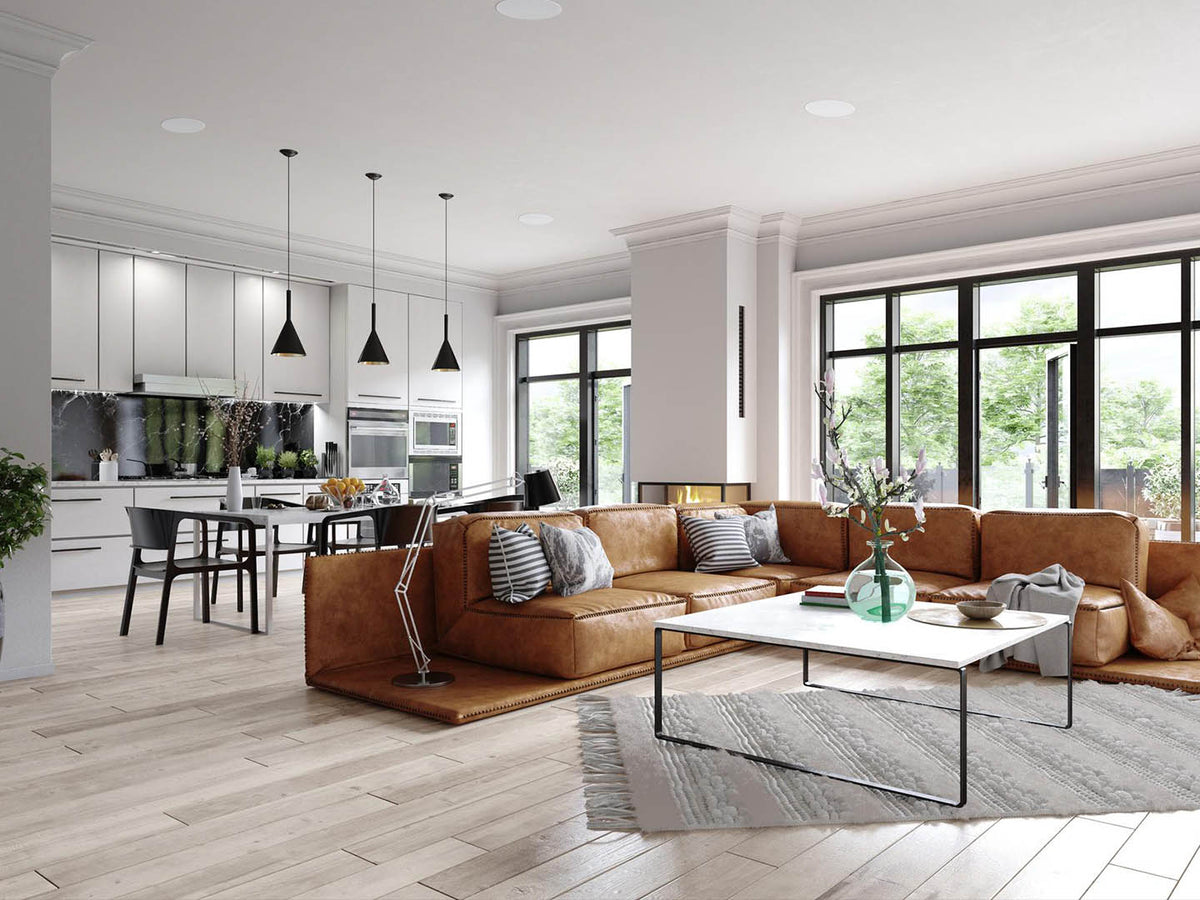
What works with BluOS?
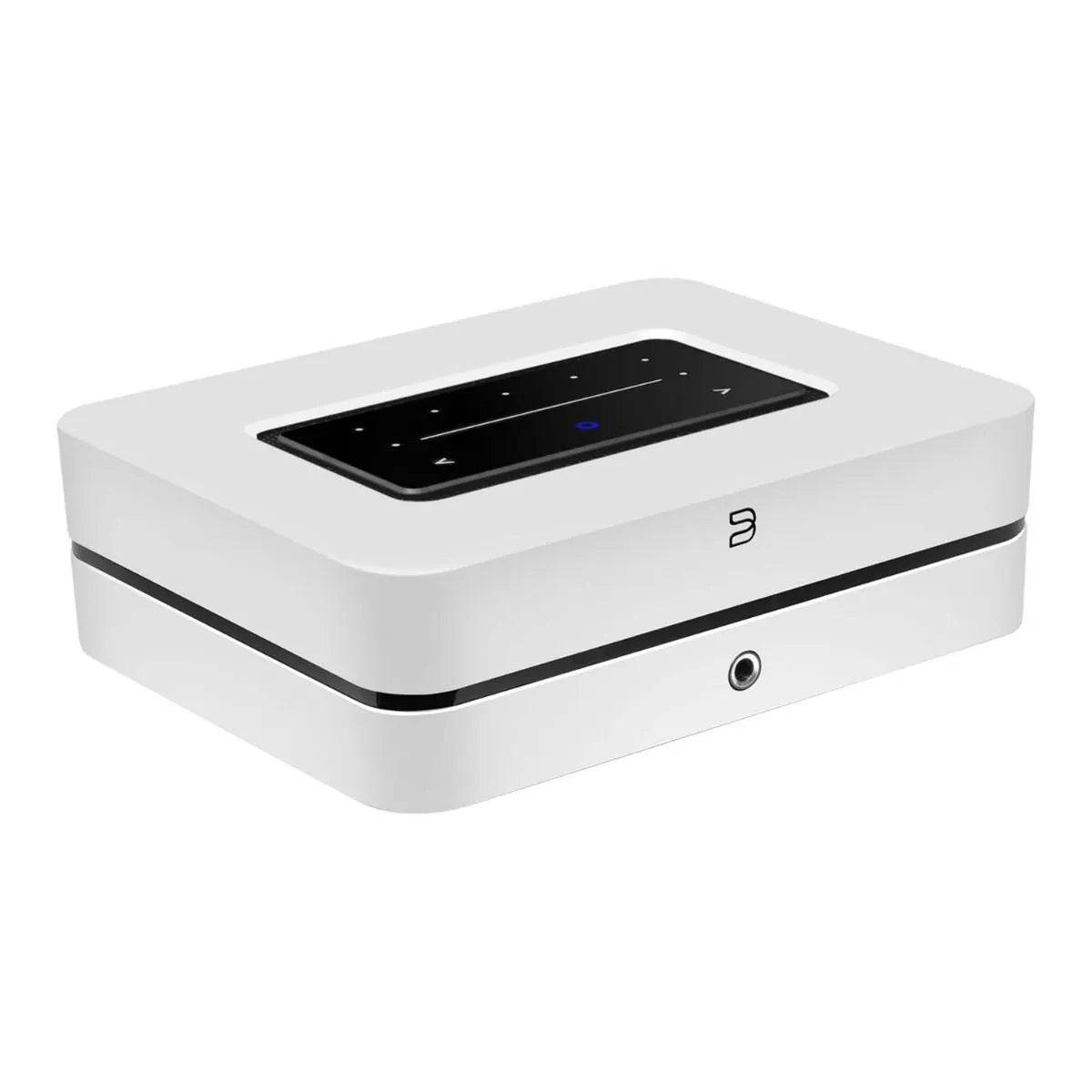
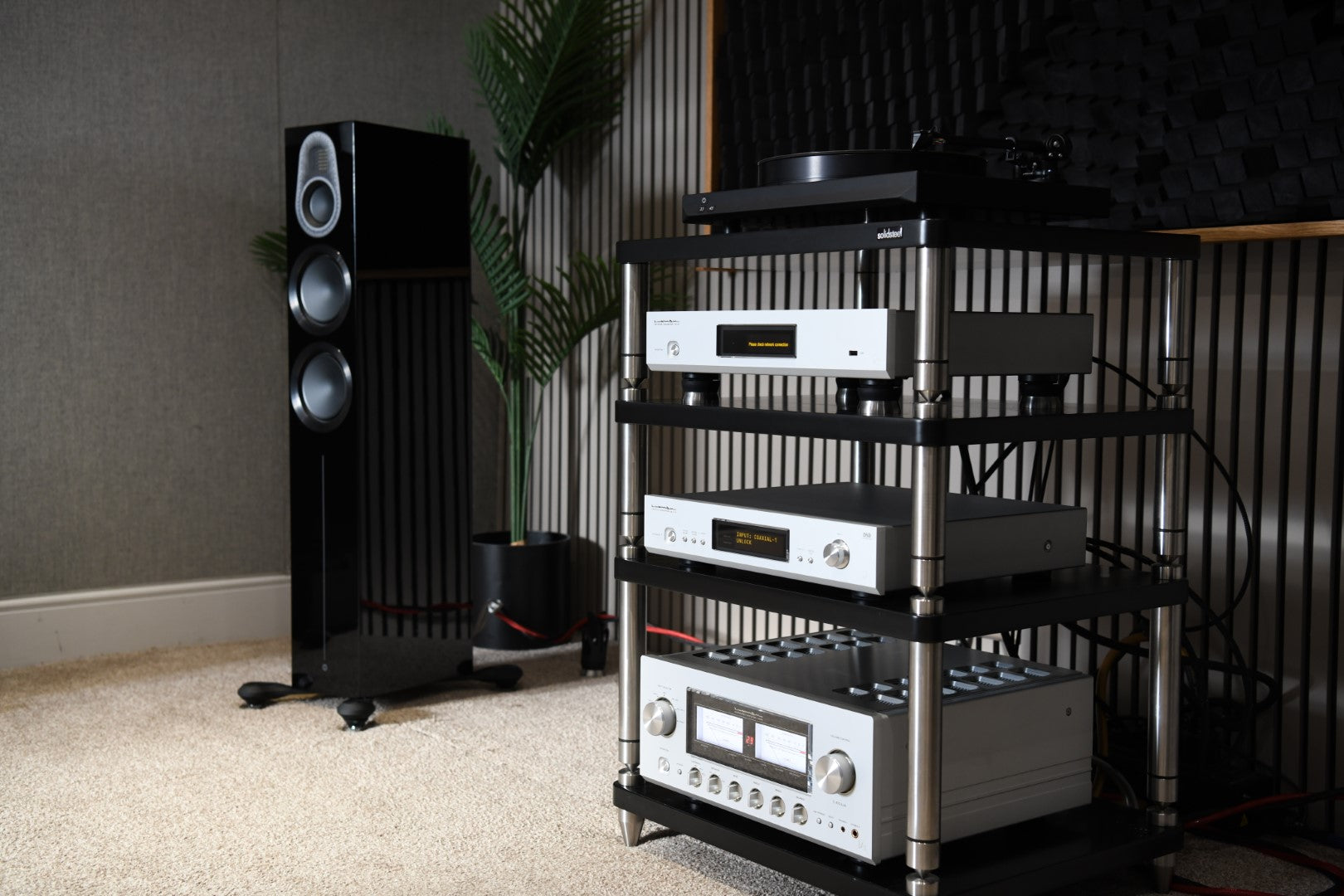
A Bluesound Node can bring high-resolution streaming, internet radio and network music libraries to an existing hifi system, making it an excellent partner for an established two-channel system. It gives a much-loved amplifier a modern, easy-to-use front end without asking you to replace the parts of the system that already make music feel involving.
In a main listening room, that might mean pairing a Node with an existing traditional stereo or investing in a new amplifier such as the Cyrus Audio 80AMP or the Roksan Caspian range of amplifiers.
Both names appeal to listeners who want more fidelity and greater engagement rather than background sound dressed up as hi-fi.
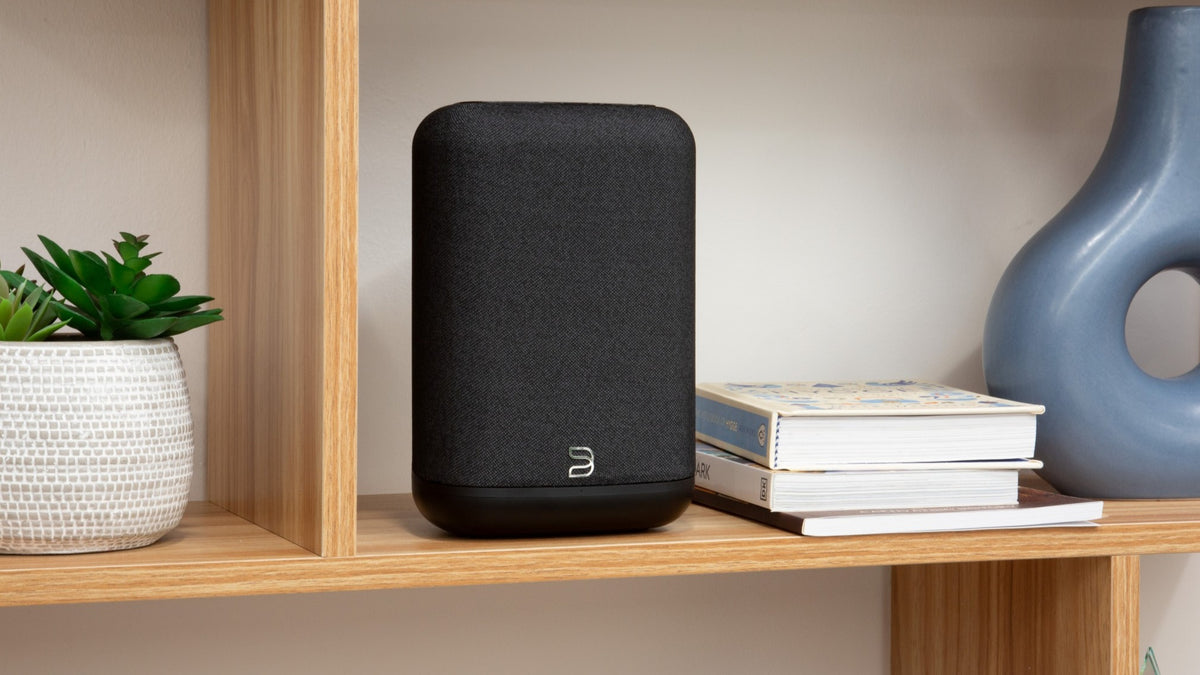
BluOS then extends beyond the main system. Add compatible players in the kitchen, bedroom or study and music can follow you around the house, independently or in perfect sync. One person can enjoy a radio station while another plays a carefully curated album in the lounge. When friends arrive, every room can share the same playlist without the frustrating delays that spoil the atmosphere.
Ceiling speakers and garden speakers without compromise
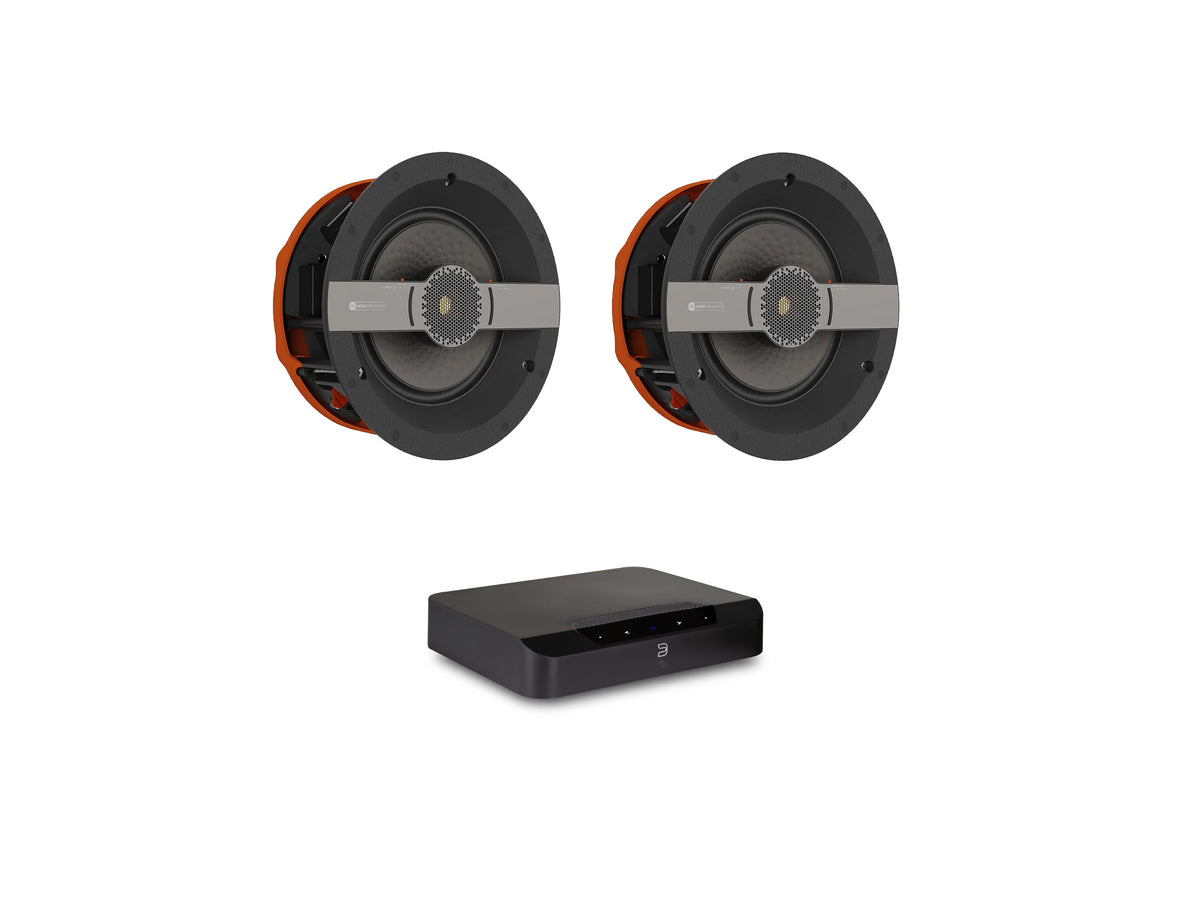
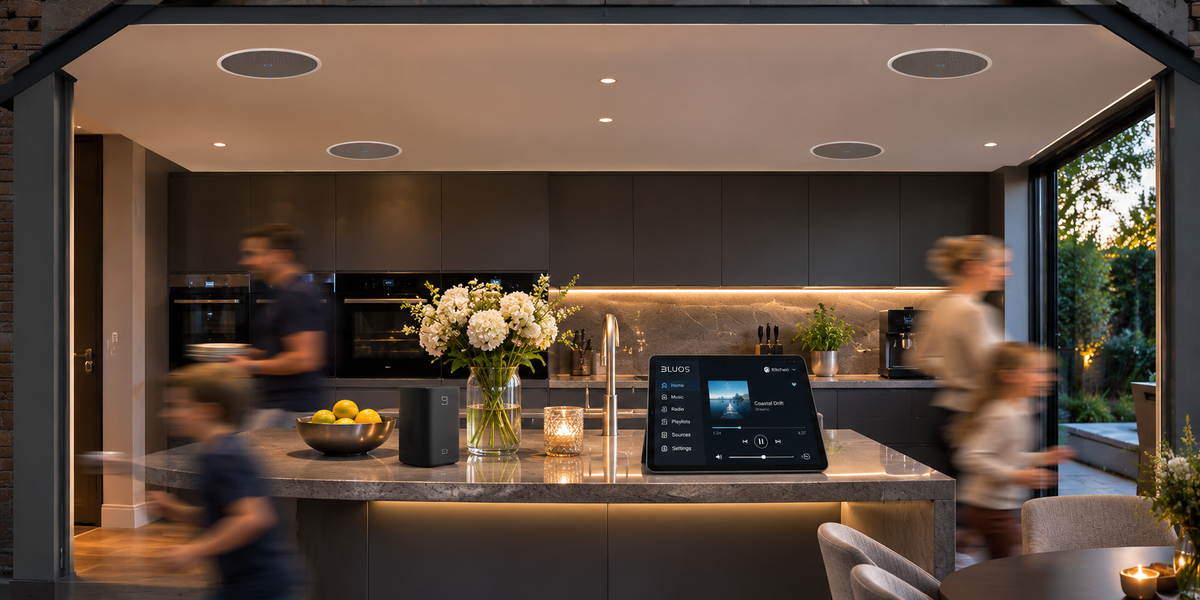
Ceiling speakers are ideal where visible loudspeakers would interrupt the look of a kitchen, bathroom or open-plan living area. Properly selected and positioned, they deliver even coverage without demanding floor space or furniture rearrangement. They are especially effective for social rooms, where consistent sound across the space matters more than creating a single, precise stereo sweet spot.
Installation makes the difference. Speaker placement needs to account for ceiling height, joists, insulation, lighting positions and the way the room is actually used. In larger kitchens or extensions, two speakers may not provide the balanced coverage you expect. Equally, fitting too many can make music feel diffuse and overly loud. A considered design brings clear, comfortable sound at sensible volume levels.
Garden speakers bring a different set of requirements. Outdoor audio needs weather-resistant hardware, discreet placement and enough headroom to overcome birdsong, conversation and the general openness of an outside space. The aim is not to turn the garden into a festival field. It is to create an even musical presence around the terrace, dining area or lawn, so guests can talk without competing with a single speaker turned up too high.
For outdoor zones, consider how you will use them. A compact courtyard might need only a pair of carefully aimed speakers; a larger garden may benefit from several low-level satellite speakers and a discreet subwoofer. Buried or concealed cabling should be planned before landscaping is complete wherever possible.
A system that fits family life
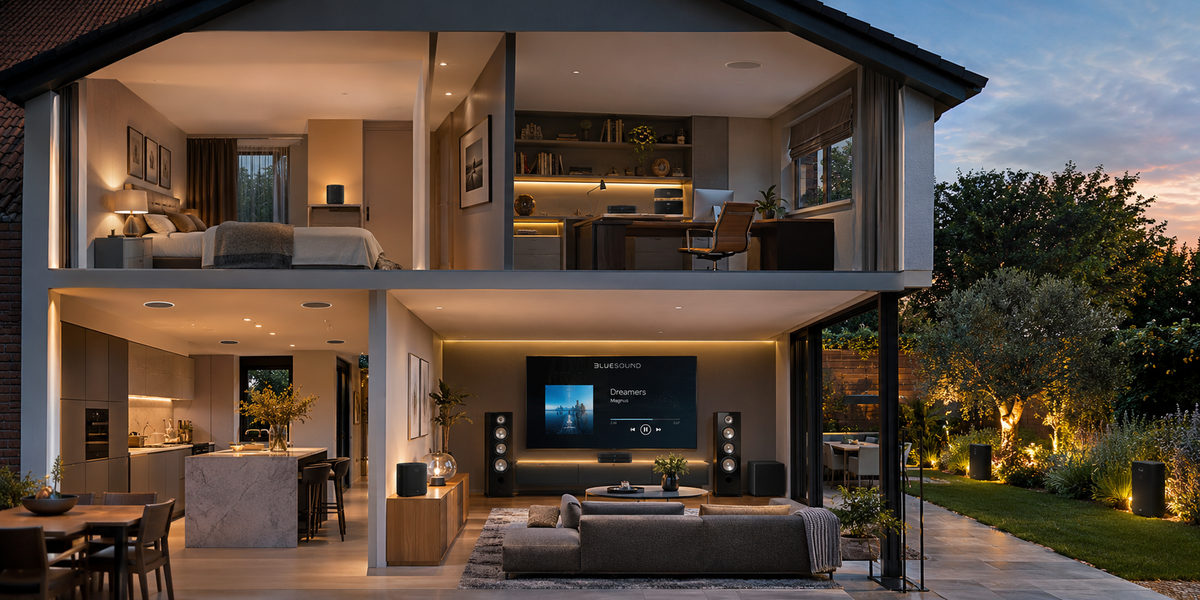
The best multi-room audio is simple enough for everyone to use. BluOS brings album artwork, favourites, streaming services and grouped rooms together in one app, while a properly designed installation keeps equipment and wiring out of sight. That makes it practical for busy households as well as satisfying for committed music lovers.
There are trade-offs. Wireless products offer flexibility, but wired network connections can be the more dependable choice in larger properties or homes with challenging Wi-Fi coverage. Ceiling and garden speakers provide discretion, while conventional loudspeakers remain the better option where critical stereo imaging is the priority. Neither approach is universally right, which is why planning around the room and your listening habits matters.
Whether you are updating a Roksan Caspian system with a Bluesound Node or planning music for a full renovation, start with the moments you want sound to improve: the first coffee of the day, cooking with friends, a summer evening outdoors or an album heard properly at the end of it.