
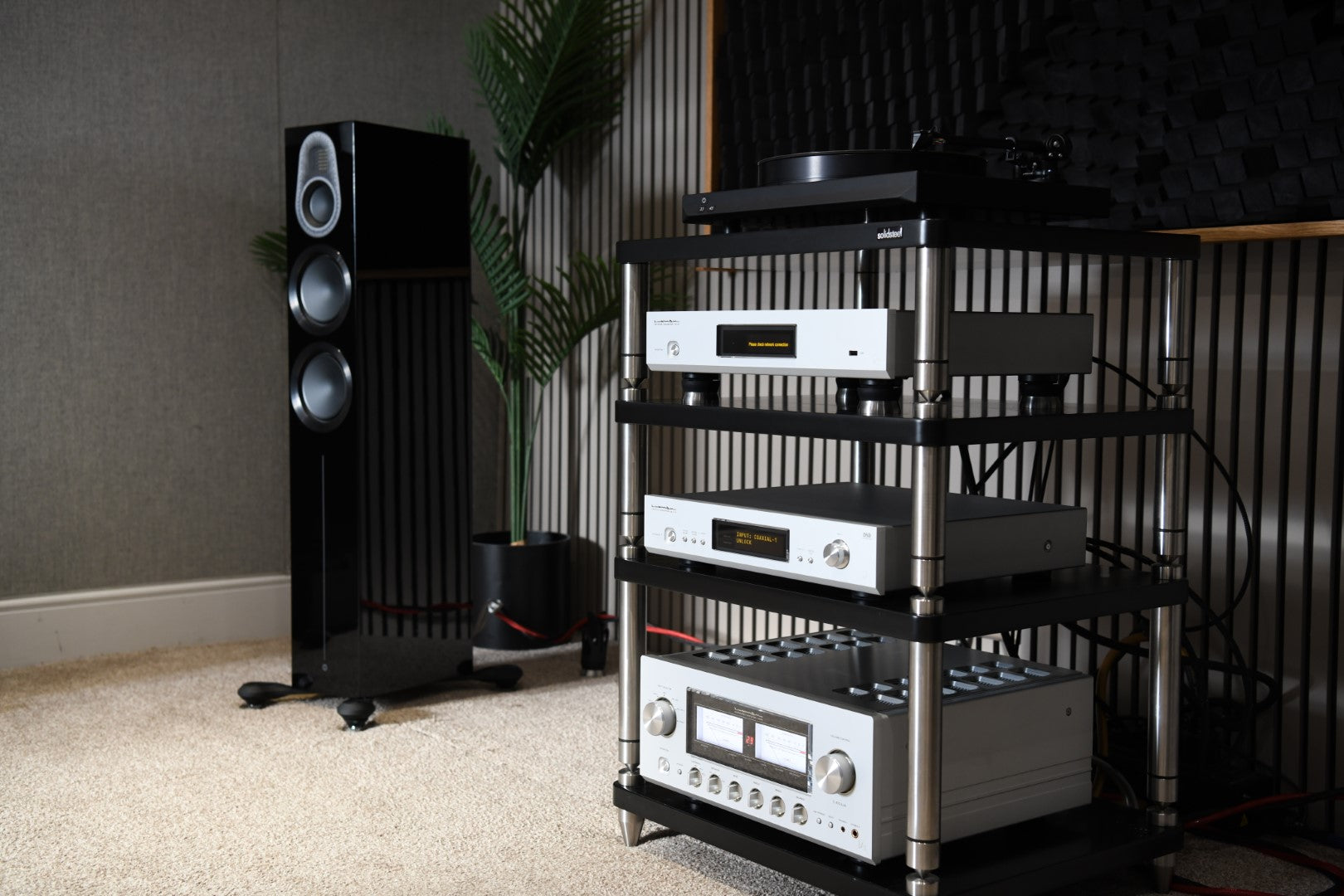
A favourite album can sound surprisingly flat when a system is not getting the best from its digital source: bass loses texture, vocals sit behind the speakers and cymbals turn a little grainy. So, do I need a DAC? Sometimes, absolutely. But an external DAC is not an automatic upgrade, and it is rarely the first answer to every sound-quality question.
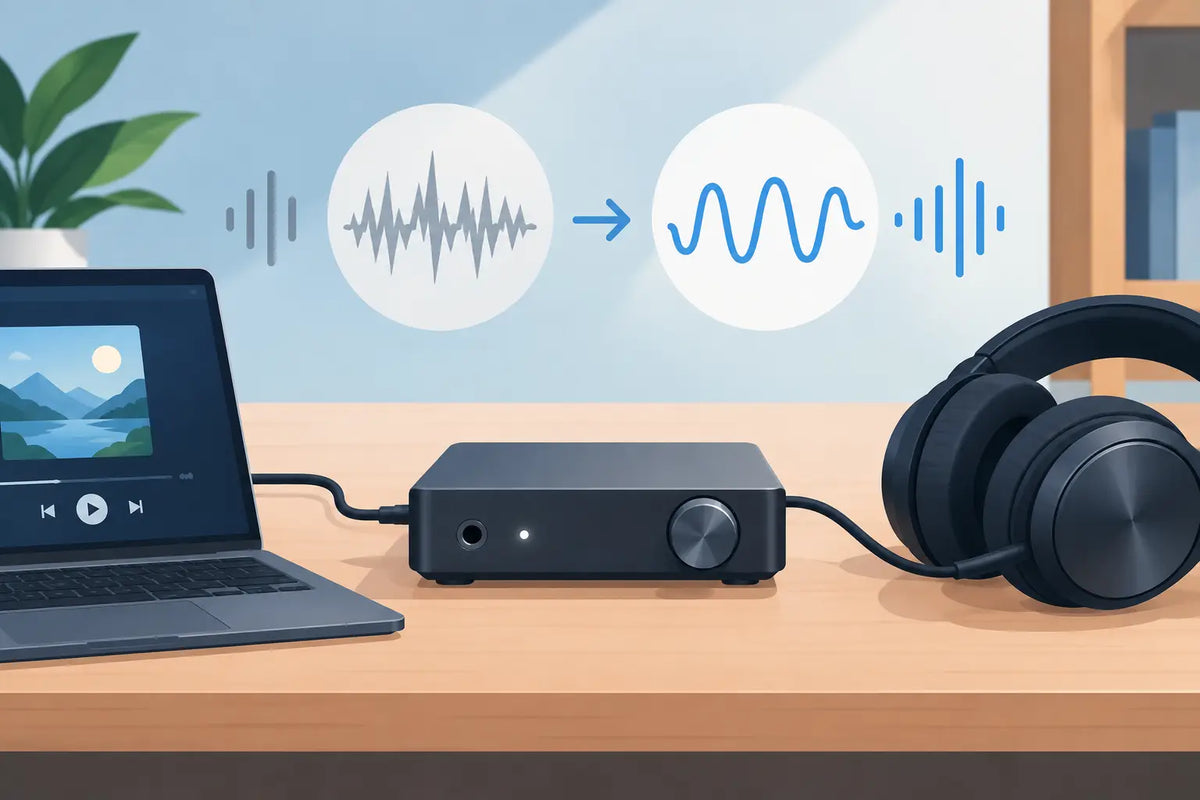
A DAC - short for digital-to-analogue converter - takes the digital information from a streamer, computer, CD transport, television or mobile phone and turns it into the analogue signal your amplifier can send to loudspeakers or headphones. Every digital playback device needs one somewhere in the chain. The more useful question is whether the DAC already in your equipment is good enough for the system, the room and the level of listening you enjoy.
Do I Need a DAC in My Hi-Fi System?
If you use a music streamer, integrated amplifier or CD player, you already own at least one DAC. Many modern premium components include excellent conversion stages, carefully matched to their analogue circuitry, power supply and output stage. Adding a separate box simply because it has a DAC badge may add expense and cables without bringing a meaningful improvement.
An external DAC becomes worthwhile when it solves a clear limitation. Perhaps your older amplifier has no digital inputs, your computer sounds hard or noisy through its headphone socket, or you own a capable CD transport and want to explore a higher-performing conversion stage. It can also make sense if you want more inputs, including USB for a laptop, optical for a television and coaxial for a transport, all feeding one amplifier.
The audible gains can be subtle or substantial. A well-matched DAC may give instruments more space, make low-level detail easier to follow and bring a more natural flow to timing and dynamics. On a revealing system, it can help a recording feel less like a file being played and more like a performance happening between the speakers.
That said, a DAC cannot rescue poor recordings, compressed Bluetooth streams or a system whose speakers are struggling in an untreated room. It is a component, not a cure-all.
Start With the Source You Actually Use
The best route depends on how you listen. A laptop feeding an amplifier is one of the clearest cases for an external DAC. Computer headphone outputs are designed primarily for convenience, and can introduce electrical noise or offer limited analogue performance. Connecting by USB to a quality DAC gives the music system a dedicated conversion stage and, often, a better-controlled analogue output.
For streaming, check what is already built into your network player or integrated amplifier. A good streamer from brands such as Lyngdorf or Roksan may have a highly capable DAC section already. If the streamer has a digital output, you can later try an external DAC, but there is no need to assume that separating the two boxes is inherently superior. The implementation matters more than the number of boxes on the rack.
CD listeners should distinguish between a CD player and a CD transport. A conventional CD player contains its own DAC and analogue outputs. A transport reads the disc and sends a digital signal to an external DAC. If you have a much-loved CD player, using its digital output into another DAC can be an interesting upgrade path, provided that output is available and the rest of the system is revealing enough to show the difference.
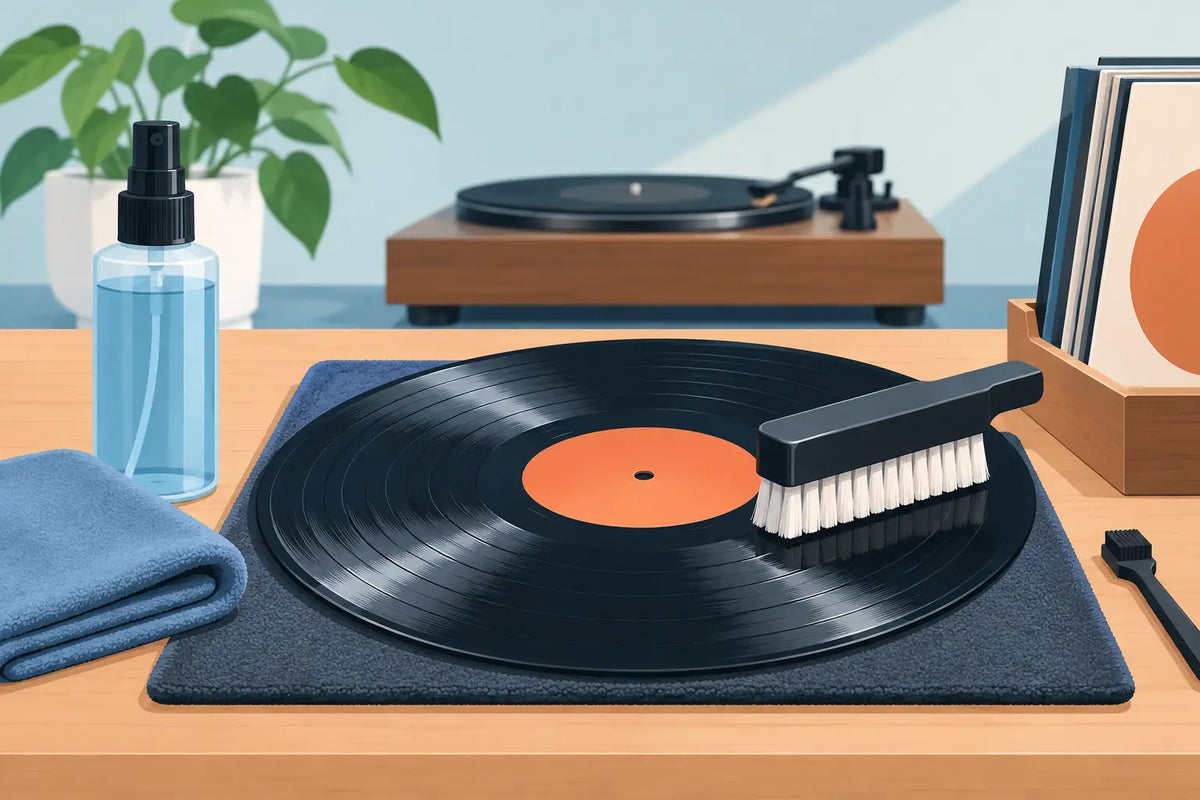
Vinyl is different. A turntable does not need a DAC because its signal is analogue from the cartridge onwards. It may need a phono stage, which is a very different component. If a turntable is one of several sources in your system, a DAC can still serve the streamer, television or CD transport, but it does nothing to improve the turntable signal itself.
DAC or Headphone Amplifier?
These two products are frequently confused. A DAC converts digital data into analogue audio. A headphone amplifier provides the power and control needed to drive headphones properly. Some products combine both jobs in one chassis, while others are separate.
If your headphones are quiet from a mobile phone or laptop, lack bass grip or sound strained as you increase the volume, you may need a better headphone amplifier as much as, or more than, a DAC. High-impedance and less sensitive headphones particularly benefit from adequate amplification. Conversely, sensitive in-ear monitors may reveal hiss with the wrong amplifier, so more power is not always better.
For desk listening, a quality DAC/headphone amplifier can be a very sensible upgrade. It reduces reliance on a computer’s audio circuitry and gives you a proper volume control, useful connectivity and enough drive for more ambitious headphones. For wireless headphones used mainly on the commute, the practical improvement may be limited by Bluetooth transmission and the headphones’ own built-in electronics.
When an External DAC Is Unlikely to Help
Before buying, look at the weakest part of the chain. An entry-level pair of speakers positioned in corners will not suddenly develop soundstage depth because a costly DAC has been added. Likewise, a thin television soundbar is unlikely to reveal the refinements of a high-end converter.
There are four situations where we would pause before recommending one:
- Your integrated amplifier or streamer already has a strong, well-engineered DAC section.
- You mostly listen through Bluetooth, where the wireless codec may be the limiting factor.
- Speaker placement, room acoustics or amplification are clearly holding the system back.
- You are choosing from specifications alone, without knowing whether the change is audible in your setup.
A DAC for TV and Home Cinema
For a two-channel television system, an optical connection from the TV to a DAC can improve everyday viewing when the DAC feeds a proper stereo amplifier and speakers. Dialogue may sound clearer and film scores gain scale compared with using the television’s own speakers. Check that the TV is set to output PCM stereo, as many standalone DACs cannot decode multichannel Dolby formats.
In a full home-cinema system, the AV receiver or AV processor normally handles digital conversion, surround decoding, bass management and room correction. Adding a stereo DAC between a TV and AV processor is usually unnecessary and may bypass the very processing that makes cinema sound convincing. Here, correct setup, speaker calibration and subwoofer integration generally deliver the bigger result.
How to Choose a DAC That Fits
Think about connection, control and compatibility before chasing format support. USB is ideal for computers and some streamers. Optical is useful for televisions and games consoles. Coaxial can be excellent for CD transports and digital sources. Make sure the DAC has the inputs you need now, plus perhaps one spare for the system you may build next.
Then consider outputs. Most hi-fi DACs offer RCA phono outputs, while balanced XLR outputs can be useful with compatible amplifiers and longer cable runs. A variable output lets some DACs connect directly to a power amplifier or active speakers, but it is not always a replacement for a good pre-amplifier. If your integrated amplifier already provides volume control and source switching, a fixed-output DAC is usually the straightforward choice.
Sound preference matters too. Some listeners value the clean, precise focus of a highly neutral presentation. Others want a little more body, warmth or ease with long listening sessions. Neither is automatically right. Your loudspeakers, amplifier, room and musical taste decide what makes sense.
Let Your Ears Set the Upgrade Path
The most reliable way to answer “do I need a DAC?” is to compare one properly. Use familiar tracks, match volume as closely as possible and listen for changes over more than thirty seconds. Pay attention to vocal realism, bass definition, stereo placement and whether you find yourself more absorbed in the music rather than analysing the equipment.
At Yorkshire AV, that is why a demonstration matters. Hearing a DAC in the context of suitable amplification and loudspeakers is far more useful than comparing a list of chipsets online. Bring the source you use, explain what your present system does well and what it does not, and let the result guide the decision.
A DAC should earn its place by making your music, films or headphone sessions more involving. If it does, it can be a quietly transformative addition. If the real opportunity lies with speaker positioning, a better amplifier match or room treatment, putting the budget there will bring you closer to the performance you are looking for.

Share:
Music Streamer Buying Guide for Better Sound
Transmission Line vs Bass Reflex Speakers